 Hot Topic
How To Land A Long-Term Caregiver Role With No Experience: A Step-by-Step Guide

Ready to start a meaningful career in caregiving without prior experience? In this guide, you'll discover how to navigate the hiring process, highlight your transferable skills, and stand out to employers looking for compassionate entry-level caregivers. By the end, you’ll have a clear roadmap to secure your first long-term caregiver role.
Why should you pursue a long-term caregiver role with no experience? This field offers stable, fulfilling work that lets you make a real difference in people’s lives. But it's important to understand the steps to showcase your strengths, as employers prioritize empathy and willingness to learn over formal experience. Let’s break down why this path is worth your time first.
Why Long-Term Caregiver Recruitment Position (No Experience Required) Is Worth Your Time
- Low Barrier to Entry: You don’t need specialized degrees or prior caregiving experience to apply. Employers often provide paid training to teach you essential skills like medication assistance and personal care.
- Meaningful, Impactful Work: Every shift lets you support vulnerable individuals, from helping with daily tasks to offering emotional companionship. This work can bring a deep sense of purpose to your career.
- Stable Job Demand: The need for long-term caregivers continues to grow, so you may find consistent job opportunities across home care facilities, nursing homes, and private residences.
- Transferable Skill Development: You’ll build valuable skills like communication, problem-solving, and time management, which can apply to healthcare, social work, and other related fields down the line.
- Opportunities for Growth: Many entry-level roles offer pathways to advance into specialized positions, such as certified nursing assistant (CNA) roles, with additional training and experience.
Step-by-Step Guide to Long-Term Caregiver Recruitment Position (No Experience Required)
Step 1: Identify Your Transferable Skills and Strengths
Start by listing skills you’ve gained from past jobs, volunteer work, or personal experiences that align with caregiving. For example, if you’ve worked in retail, your customer service skills translate to patient communication; if you’ve cared for a family member, you understand the basics of personal care. These skills show employers you have the foundation to succeed, even without formal caregiving experience. Pro tip: Focus on soft skills like empathy, patience, and reliability—these are often more important to employers than technical knowledge.
Step 2: Tailor Your Resume and Cover Letter for Caregiving Roles
Rewrite your resume to highlight the transferable skills you identified, using keywords from job descriptions like "compassion," "patient support," or "daily living assistance." In your cover letter, explain why you’re drawn to caregiving and share a brief story that demonstrates your empathy or commitment to helping others. Avoid emphasizing lack of experience; instead, frame your eagerness to learn as a strength. Common mistake to avoid: Using a generic resume—customize each application to match the specific role’s requirements.
Step 3: Complete Free or Low-Cost Pre-Training Courses
Many organizations offer free online courses in basic caregiving, CPR, or first aid that can boost your application. Platforms like Red Cross or local community colleges may provide affordable certification programs that take just a few weeks to complete. Having these certifications shows employers you’re proactive and serious about the role, even before you’re hired. Pro tip: Some employers may reimburse training costs after you start working, so check job postings for these perks.
Step 4: Apply to Entry-Level Caregiver Roles Strategically
Focus on roles explicitly labeled "no experience required" or "entry-level," which are common in home care agencies and assisted living facilities. Use job boards like Indeed, LinkedIn, or specialized caregiving job sites to find openings. When applying, follow up with a brief email or phone call a week later to express your continued interest—this can help you stand out from other applicants. Common mistake to avoid: Applying to roles that require specialized certifications without first completing the necessary training.
Step 5: Prepare for the Caregiver Job Interview
Practice answering common interview questions, such as "How would you handle a difficult patient?" or "Why do you want to work in caregiving?" Use specific examples from your past to demonstrate your empathy and problem-solving skills. Dress professionally, even for in-person or virtual interviews, and come prepared with questions about the role’s training program and daily responsibilities. Pro tip: Bring a copy of any pre-training certifications you’ve completed to show employers your initiative.
Step 6: Ace the Hands-On Assessment (If Required)
Some employers may ask you to complete a short hands-on assessment, such as demonstrating how to assist someone with walking or eating. Stay calm and follow the instructor’s instructions carefully—this is your chance to show you can learn new skills quickly. Even if you make a small mistake, focus on your willingness to correct it and ask for guidance. Common mistake to avoid: Rushing through the assessment; take your time to ensure you’re following proper procedures.
Challenges to Be Aware Of
- Emotional and Physical Fatigue: Caregiving can be physically demanding, with long shifts and tasks like lifting patients. It may also take an emotional toll, as you support individuals dealing with illness or aging. To mitigate this, prioritize self-care and set boundaries between work and personal life.
- Learning Curve for Technical Skills: While you don’t need prior experience, you’ll still need to learn skills like medication management and wound care quickly. Take advantage of on-the-job training and ask questions to build your confidence gradually.
- Competitive Job Market: Even with no experience required, entry-level caregiver roles can be competitive. To stand out, focus on highlighting your unique soft skills and any pre-training certifications you’ve completed.
Conclusion
You now have the foundation to start your journey toward landing a long-term caregiver role with no experience. You’ve learned how to highlight your transferable skills, tailor your applications, and prepare for interviews and assessments. With this roadmap, you’re ready to take the first steps toward a fulfilling caregiving career.
Long-term caregiver roles offer stable, meaningful work that lets you make a positive impact on others’ lives, and by following these steps, you’re positioning yourself to stand out to employers and grow in this in-demand field. This career can also open doors to advanced healthcare roles as you gain experience and additional training.
Don’t wait for the perfect moment. Start identifying your transferable skills and updating your resume today. Every small step brings you closer to a rewarding career where you can support others while building valuable professional skills.
FAQ
How long does it take to land a long-term caregiver role with no experience?
The timeline can vary, but many job seekers secure a role within 2 to 4 weeks of starting their search. This depends on how quickly you complete pre-training certifications, tailor your applications, and attend interviews. To speed up the process, apply to multiple roles and follow up with employers consistently. Start updating your resume today to get the ball rolling.
Do I need any certifications to apply for entry-level caregiver roles?
While some roles may hire you without certifications, having CPR or basic caregiving certifications can make your application more competitive. Many employers offer paid training after you’re hired, but completing free online courses before applying can help you stand out. Check local community centers or online platforms for affordable certification options.
What’s the best way to highlight my soft skills in a caregiver job application?
Use specific examples in your resume and cover letter to demonstrate skills like empathy or patience. For instance, you could mention a time you supported a struggling coworker or helped a family member through a difficult situation. During interviews, use the STAR method (Situation, Task, Action, Result) to tell stories that showcase your soft skills. Focus on these stories to make your application memorable.
Can I advance my career in caregiving after starting in an entry-level role?
Yes, many entry-level caregiver roles offer pathways to advance. With additional training, you may become a certified nursing assistant (CNA), licensed practical nurse (LPN), or even a registered nurse (RN) over time. Some employers also offer leadership roles, such as care coordinator, for experienced caregivers. Talk to your supervisor about growth opportunities once you start working.


RECOMMEND ARTICLES
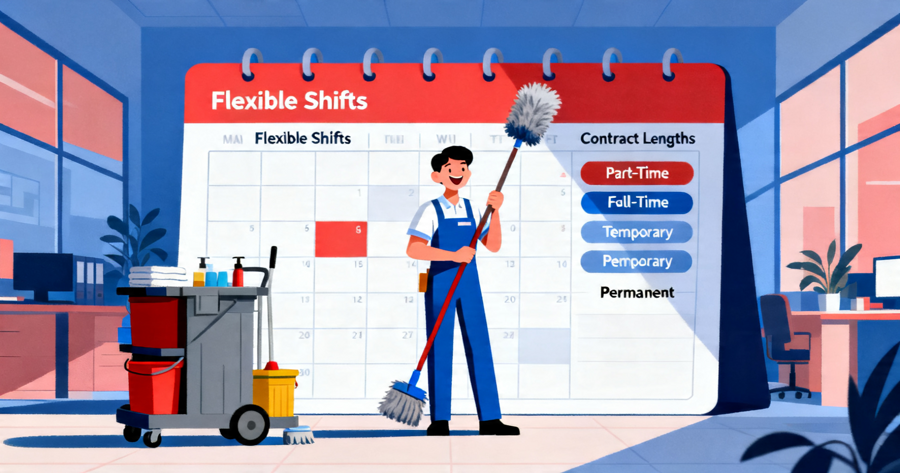
How To Land An Office Cleaner Job With Flexible Shifts And Flexible Tenure Options

Private Caregiver Recruitment With Part-time/full-time Options Available; No Nursing License Required

How To Get A Job As An Aged Care Worker: A Step-by-Step Guide For Job Seekers

How To Get A Hotel Cleaning Service Job: A Step-by-Step Guide For Job Seekers

How To Land A Part-Time Nursing Job In A Nursing Home: A Step-by-Step Guide
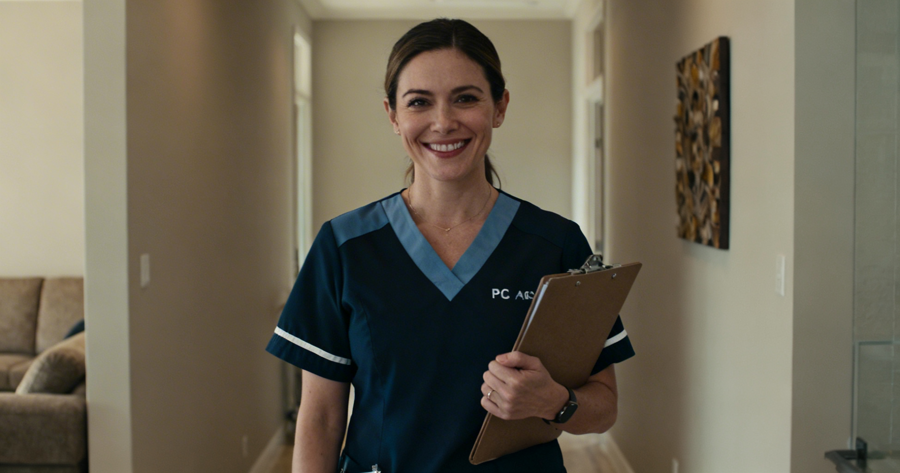
How To Secure A Position As A Female PCA For Home Care: A Step-by-Step Guide

How To Rapidly Launch And Secure A Career In The Aviation Sector

How To Find Jobs In Cleaning, Food Service, And More—No Experience Required

How To Find Flexible Jobs That Do Not Require Prior Experience: A Step-by-Step Guide

How To Land High-Paying, Flexible Jobs: From Housekeeping To Remote Roles
Most Read

How To Find Professional Nurse Care Jobs Around Me: A Practical Guide For Job Seekers
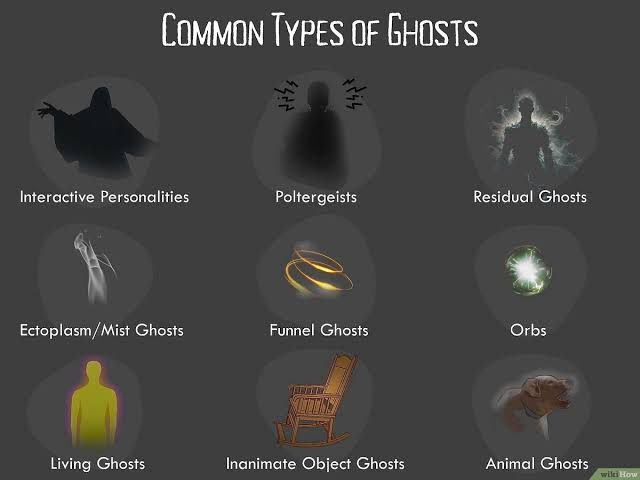
How To Tell What Ghost Is Watching You With No Evidence

Exploring RV Options At Camping World: A Personal Guide To Finding The Right Deal
How To Land And Succeed In Nursing Home Caregiver Jobs: A Complete Guide For Job Seekers

How To Properly Raise A Dog: A Complete Step-by-Step Guide For Beginners