 Hot Topic
How To Find Jobs In Cleaning, Food Service, And More—No Experience Required

Ready to land your first paid role without prior professional experience? In this guide, you'll discover actionable strategies to secure jobs in cleaning, food service, and similar fields, even if you’re new to the workforce. You’ll learn to highlight your transferable skills and connect with hiring managers who value potential over a long resume.
Why should you focus on these entry-level fields right now? These roles often have high demand, flexible schedules, and opportunities to grow into higher-paying positions. But it’s important to understand that a targeted approach can help you stand out from other applicants who may also lack formal experience.
Why Entry-Level Jobs in Cleaning, Food Service, and More Are Worth Your Time
- Low Barrier to Entry: Most roles in these fields don’t require formal degrees or specialized training, making them accessible to anyone looking to enter the workforce. You can apply with just a positive attitude and a willingness to learn.
- Flexible Scheduling: Many cleaning and food service jobs offer part-time, weekend, or night shifts, which can fit around school, caregiving, or other personal commitments. This flexibility may help you balance work with other priorities.
- Transferable Skill Development: These roles teach you valuable soft skills like time management, teamwork, and customer service, which can apply to almost any future career path. You may also build reliability and communication skills that employers highly value.
- Opportunities for Growth: Some entry-level positions come with clear paths to promotion, such as moving from a food service team member to a shift supervisor or cleaning crew lead. You can also use these roles to network with industry professionals.
- Steady Demand: Cleaning and food service roles are often essential, meaning they may be less affected by economic fluctuations compared to some other industries. This can provide a sense of stability as you build your career.
Step-by-Step Guide to Finding Jobs in Cleaning, Food Service, and More—No Experience Required
Step 1: Identify Your Transferable Skills
Start by listing skills you’ve gained from volunteer work, school projects, or personal responsibilities, like organizing your home or helping with event setup. These skills, such as attention to detail or punctuality, can translate directly to entry-level roles. Think about tasks you’ve completed successfully and how they relate to the jobs you want to apply for.
Pro tip: Frame even casual experiences, like babysitting or pet sitting, as examples of reliability and responsibility.
Step 2: Tailor Your Resume and Cover Letter
Create a simple resume that focuses on your transferable skills rather than a lack of professional experience. For a cleaning role, highlight your ability to follow instructions and maintain a tidy space; for food service, emphasize your friendly demeanor or experience following recipes. Write a short cover letter that explains why you’re interested in the specific role and how your strengths align with the job’s needs.
Common mistake to avoid: Don’t leave gaps empty—use volunteer or personal experiences to fill in your resume.
Step 3: Use Targeted Job Search Platforms
Focus on job boards and platforms that specialize in entry-level or hourly work, like Indeed, Snagajob, or local classifieds. You can also check the websites of local restaurants, cleaning companies, and retail stores, as many post open roles directly there. Set up alerts for keywords like “no experience needed” or “entry-level” to stay updated on new openings.
Pro tip: Visit local businesses in person to ask about open roles—some hiring managers prefer face-to-face interactions.
Step 4: Prepare for the Interview
Practice answering common interview questions, such as “Tell me about a time you worked in a team” or “How would you handle a difficult customer?” Use specific examples from your personal or volunteer experiences to showcase your skills. Dress appropriately for the role, such as wearing clean, casual clothes for a food service interview, and arrive a few minutes early to make a good first impression.
Common mistake to avoid: Don’t apologize for your lack of experience—instead, focus on your eagerness to learn.
Step 5: Highlight Your Attitude and Eagerness to Learn
During interviews, emphasize your willingness to take on new tasks and learn on the job. Hiring managers in these fields often prioritize a positive, can-do attitude over formal experience. Mention any relevant training you’ve completed, even if it’s online, like a food safety course or a cleaning basics tutorial.
Pro tip: Ask questions about the role’s training process to show you’re invested in growing with the company.
Step 6: Follow Up After Your Application or Interview
After submitting an application, send a short follow-up email a week later to express your continued interest in the role. If you’ve had an interview, send a thank-you note within 24 hours to reinforce your enthusiasm. This small gesture can help you stay top of mind for hiring managers who may be reviewing multiple candidates.
Pro tip: Keep your follow-up concise and focus on why you’re a good fit for the role.
Challenges to Be Aware Of
- High Competition: Entry-level roles in these fields can attract a large number of applicants, which may make it harder to stand out. You can mitigate this by tailoring your application to each role and highlighting unique transferable skills.
- Physical Demands: Many cleaning and food service roles involve long periods of standing, lifting heavy items, or repetitive movements. This may be tiring, especially if you’re not used to physical work, but you can build stamina over time.
- Variable Schedules: While flexible schedules are a benefit, some roles may require last-minute shifts or changes to your planned hours. This can disrupt personal plans, so it’s wise to discuss schedule expectations with hiring managers early on.
- Low Starting Wages: Entry-level roles in these fields often have lower starting pay compared to specialized positions. However, many roles offer opportunities for raises or promotions as you gain experience and take on more responsibilities.
Conclusion
You now have the foundation to start your job search in cleaning, food service, and other entry-level fields, even without prior professional experience. You’ve learned to identify your transferable skills, tailor your applications, and connect with hiring managers who value potential. With a targeted approach and positive attitude, you can land a role that fits your needs.
Entry-level jobs in cleaning, food service, and more offer a foot in the door of the workforce, with chances to build skills and grow your career. By mastering the strategies in this guide, you’re positioning yourself to secure a role that aligns with your current goals and sets you up for future success. You may even discover a passion for a field you hadn’t considered before.
Don’t wait for the perfect moment. Start listing your transferable skills today. Every small step you take brings you closer to landing your first paid role, and each experience will help you grow both personally and professionally.
How long does it typically take to land an entry-level role with no experience?
The timeline can vary depending on the field and local job market, but many candidates receive an interview within a few weeks of starting their search. Some may land a role in as little as a week, while others may need to apply to multiple positions before getting an offer. Focus on improving your application materials and staying consistent, and you may see results sooner than you expect. Keep applying even if you don’t hear back right away.
Do I need any specific tools or certifications to apply for these roles?
Most entry-level cleaning and food service roles don’t require specialized tools or certifications upfront, though some food service jobs may ask you to complete a food safety course after being hired. You can take free or low-cost online courses in advance to make your application stand out, but this isn’t always necessary. Check the job description for any specific requirements before applying, and be ready to complete any required training if you’re hired.
What’s the best way to stand out to hiring managers when I have no experience?
Highlighting your transferable skills and a positive, can-do attitude can help you stand out. Bring specific examples of times you demonstrated reliability, teamwork, or attention to detail, even from personal or volunteer experiences. Arrive early to interviews, dress appropriately, and ask thoughtful questions about the role and company. Small touches like a handwritten thank-you note can also leave a lasting impression on hiring managers.
Can I use these entry-level roles to build a career in a different field later?
Yes, the soft skills you gain in these roles—like communication, time management, and customer service—are highly transferable to almost any career path. Many people use entry-level roles as a stepping stone to higher-paying positions in management, administration, or even specialized fields. You can also take classes or gain certifications while working to prepare for a career shift down the line. Use these roles to build your professional network and learn more about what you enjoy in a job.

RECOMMEND ARTICLES
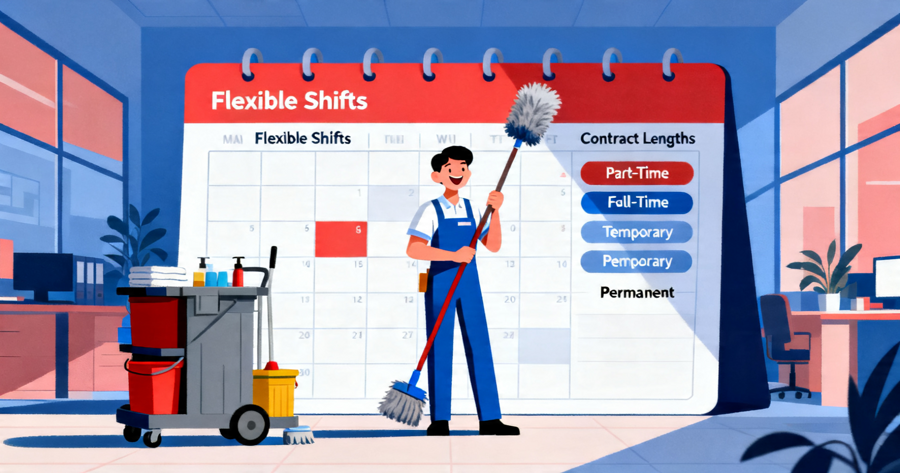
How To Land An Office Cleaner Job With Flexible Shifts And Flexible Tenure Options

How To Get A Job As An Aged Care Worker: A Step-by-Step Guide For Job Seekers

How To Get A Hotel Cleaning Service Job: A Step-by-Step Guide For Job Seekers

How To Land A Long-Term Caregiver Role With No Experience: A Step-by-Step Guide

How To Secure A Position As A Female PCA For Home Care: A Step-by-Step Guide

How To Secure A Staff Position At A Day Center For Research Support

How To Rapidly Launch And Secure A Career In The Aviation Sector

How To Land A Top High-Paying Job In 2026: A Step-by-Step Guide

How To Find Flexible Jobs That Do Not Require Prior Experience: A Step-by-Step Guide

How To Land High-Paying, Flexible Jobs: From Housekeeping To Remote Roles
Most Read

How To Learn Mysticism As A Beginner: A Friendly, Practical Guide

How To Get More Free Robux As Quickly As Possible

How To Get The *FREE* Pets In Adopt Me!

Who Were You In Your Past Life?

How To Get Roblox Free Limited Items: A Step-by-Step Guide For Players